What Is Therapeutic Massage Therapy? A Canadian Patient's Guide

What Is Therapeutic Massage Therapy?
Therapeutic massage therapy is a treatment-oriented practice in which a trained therapist manipulates the soft tissues of the body — the muscles, fascia, tendons and ligaments — to manage a health condition or support recovery. It is an ancient approach: massage has been used in most cultures, Eastern and Western, throughout human history, and was one of the earliest tools people turned to for pain relief. [1] [4]
In Canada, this kind of care is often provided by registered massage therapists (RMTs). They assess and treat physical dysfunction and pain of the soft tissues and joints, mostly through hands-on manipulation, and their work can include orthopaedic and neurological testing, soft tissue treatment, remedial exercise and client education. [2]
What makes the massage therapeutic is the goal behind it. Rather than following a standard routine, the therapist directs the session at a specific need — releasing a muscle spasm, improving movement after an injury, or supporting recovery — and may focus on one problem area for an extended time. [1] [4]
How Therapeutic Massage Differs From a Relaxation or Spa Massage
A therapeutic massage has no standard routine, unlike many spa offerings: the therapist tailors each visit to your specific health needs, which may mean a full-body massage or concentrated work on one area of concern. [4]
The work may feel deeper than a relaxation massage, and some areas may be painful as the therapist works through tissue that needs releasing — a sensation patients sometimes describe as painful in a good way. Communication is key: if the pressure causes discomfort, say so, and the therapist can adjust. [4]
The two approaches can share a similar setting, with low lighting and soft music. The difference is purpose: therapeutic massage is driven by assessment and treatment goals, not by a fixed spa menu. [4] [2]
Common Techniques Used in Therapeutic Massage
Swedish, or classical, massage is the most common form in Western countries and the core of most massage training programs. Along with deep tissue massage, it is one of the techniques registered massage therapists most often use when treating pain and physical dysfunction. [1] [2]
Other styles include sports massage and clinical massage directed at specific goals such as releasing muscle spasms, as well as traditions rooted in Eastern cultures like Shiatsu and Tuina. Therapeutic massages may combine several techniques in one visit. Depending on the therapist's training and your needs, a visit may also draw on myofascial release, trigger point work, lymphatic drainage, craniosacral therapy, cupping, instrument-assisted mobilization or passive-resistive stretching. Some of these techniques, such as lymphatic drainage, are used to improve circulation and reduce swelling. [1] [4]
What Therapeutic Massage Is Used For
People seek out massage therapists to recover from an injury, reduce stress, support recovery after surgery, or improve flexibility and range of motion. Treatments can be tailored to acute problems — a recent issue — or chronic conditions that have persisted for a long time. [2] [4]
Conditions commonly addressed include back pain, frozen shoulder, headaches of various types, whiplash, muscle strains, repetitive strain injuries from prolonged postures like desk work, tendonitis, and temporomandibular joint (TMJ) disorders. Massage may also play a supportive role during cancer treatment and post-operative recovery. [4]
Some people use therapeutic massage as an ongoing part of wellness — to manage stress or keep chronic pain in check — while others use it for a limited period to treat specific health problems. For people with chronic pain, regular appointments may be part of a broader care plan. [4] [1]
What the Research Says About Massage for Pain and Other Conditions
Research on massage therapy is strongest for pain, but the results are often modest. For lower-back pain, several reviews found weak evidence that massage may help, with short-term improvements in both acute and chronic cases; long-term effects have not been established. US clinical practice guidelines issued in 2017 included massage as an option for acute and subacute low-back pain, but not for chronic low-back pain. [1] [3]
For neck and shoulder pain, massage appears to offer short-term benefits and has been found more helpful than inactive treatments, though not more effective than other active therapies. One trial in people with chronic neck pain found that longer sessions given several times a week worked better than fewer or shorter sessions. [1] [3]
Research on therapeutic massage for osteoarthritis of the knee is limited but suggests possible short-term relief from knee pain. Of six studies evaluating massage therapy for knee osteoarthritis, five found short-term pain relief in the knee. Findings on headaches are inconsistent: some small studies reported fewer migraines, while a study of trigger point massage for tension headaches found no advantage over an inactive treatment. [1]
For fibromyalgia, a review of nine studies concluded that massage therapy, continued for at least five weeks, improved pain, anxiety and depression, though it did not change sleep disturbance. Small studies in people with HIV/AIDS suggest possible benefits for anxiety, depression and quality of life. [1] [3]
Massage therapy can be part of supportive care for people with cancer when appropriate precautions are taken, but evidence that it relieves pain and anxiety is not strong. Therapists may need to modify their techniques — for example, using less pressure in areas made sensitive by cancer or its treatment. [1]
Most of this research was conducted or reviewed by US agencies and reflects US clinical guidelines rather than Canadian regulations. It still gives Canadian readers a realistic picture of what massage can and cannot be expected to do. [1] [3]
What to Expect During a Therapeutic Massage Appointment in Canada
A therapeutic massage appointment usually begins with an assessment. The RMT evaluates your posture, flexibility and range of motion, feels (palpates) your muscles and connective tissues to check for tension, and then decides on a course of care. [2]
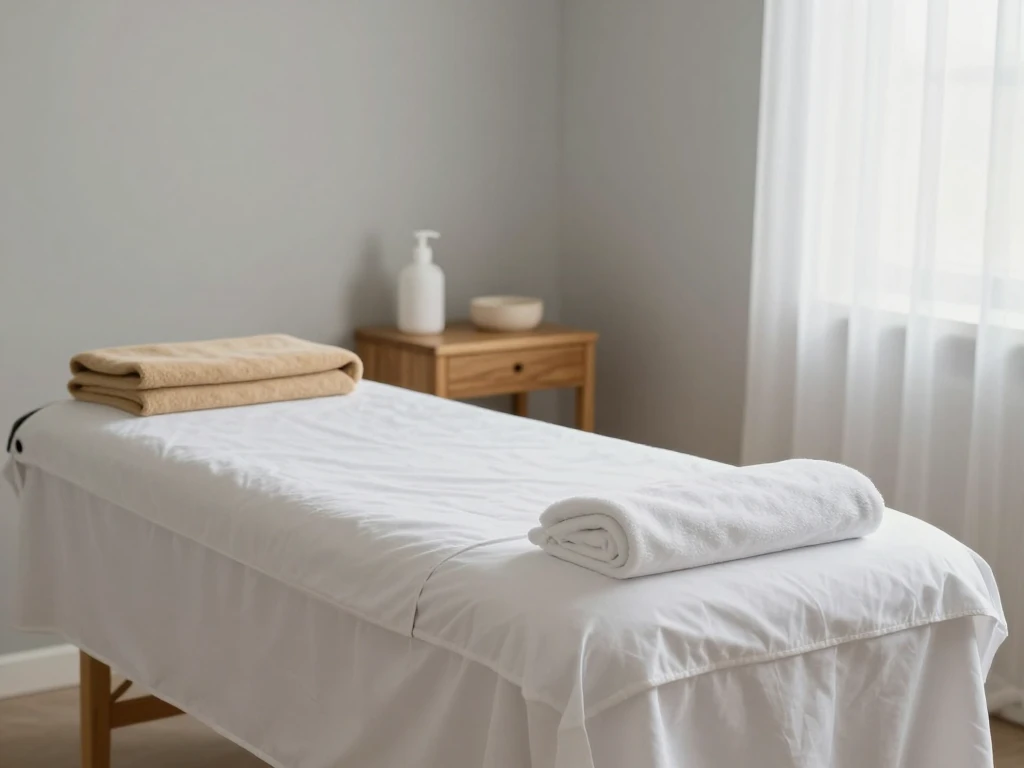
Treatment may include soft tissue manipulation, stretching, remedial exercise and education. Sessions commonly last about 50 minutes, often in a room with subdued lighting and calming music, although the length and focus will depend on your goals. [2] [4]
During the visit, the RMT should check in with you about pressure and comfort. You can withdraw consent at any time, and the care will then be modified or stopped — you are always in control. [2]
On cost and coverage, massage therapy provided by a registered massage therapist is not covered by OHIP, Ontario's public health insurance plan. It may be partially or fully covered by extended health insurance, and coverage varies by carrier, so check your own plan. [2]
Before you begin, it is reasonable to ask about the therapist's training, experience and credentials, how many treatments might be needed, the cost, and whether your insurance covers it. [1]
When to Check With a Healthcare Provider First
Massage is not right for everyone, and some situations call for clearance from a healthcare provider first. Check with your provider before a massage if you take blood-thinning medication (which may increase bruising), have blood clots in your legs, have osteoporosis or a spine disorder, have tumors, have a high-risk pregnancy (heart disease can make a pregnancy high-risk), use an implanted or attached medical device, or have had an acute injury or surgery within the last 48 hours. [4]
The overall risk of harm from massage appears low, but there are rare reports of serious side effects such as a blood clot, nerve injury or bone fracture. Some reported cases involved vigorous techniques like deep tissue massage, or people at higher risk of injury such as older adults. [1] [3]
Massage should never be used to postpone seeing a healthcare provider about a medical problem. If you are unsure whether massage is appropriate for your situation, talk it over with your provider, who may also be able to help you choose a therapist. [1]

Aftercare: Communication, Follow-Up, and Resuming Activity
After the session, pay attention to how your body responds, and ask the therapist what they recommend for the next stage of your recovery. [4]
If you are wondering whether you can exercise or work out after a massage, the research reviewed for this guide does not provide a universal timeline; it depends on the techniques used, the areas treated and your condition. Ask your massage therapist or healthcare provider what is appropriate for your specific situation. [4] [1]
If you are using massage as part of managing a health condition, plan for follow-up: revisit your progress with the massage therapist and your healthcare provider, and decide whether continuing makes sense within your overall care plan. [1]