What Is Relaxation Massage? What to Expect and How It Differs from Therapeutic Massage

What Is a Relaxation Massage?
A relaxation massage is a gentle, soothing massage with one clear purpose: to help you unwind. Rather than treating a specific injury or condition, the session focuses on comfort, calm and easing the everyday tension that builds up in your body. Massage therapy is a broad field—Cleveland Clinic notes more than 80 types exist—and relaxation massage sits at the lighter end of the pressure spectrum. [4] [2]
There is no single recipe for a relaxation massage. Because therapists can combine techniques in countless ways, two relaxation sessions may not look identical. The label is best understood as a goal: the experience you want—calm, soothing, and free of a treatment agenda—rather than a narrowly defined medical procedure. [2] [4]
Relaxation Massage vs. Therapeutic Massage: What's the Difference?
Therapeutic massage, sometimes called medical massage, is the treatment-focused counterpart. It typically takes place in a clinical or hospital setting and involves concentrated work on muscles, fascia, tendons and ligaments to address a specific health concern. The therapist is trained to identify problem areas, and the work can feel deeper than a relaxation massage—sometimes described as "hurts so good." [4]
The key difference between the two is the goal. A relaxation massage works differently: instead of organizing the visit around one complaint, the therapist supports an overall sense of ease. If your goal is to resolve a specific issue such as back pain, headaches, frozen shoulder or TMJ, therapeutic massage is designed for that. If your goal is simply to decompress and reset, a relaxation massage may meet your needs. [4]
The categories overlap, and one is not better than the other. Deep-tissue and Swedish massage are both commonly used within therapeutic massage, and a therapeutic massage may still be whole-body and relaxing. Some relaxation massages are offered in spa settings, while therapeutic massages are more common in clinical or hospital settings. The practical question is what you want from the appointment: treatment of a problem, or a calm, relaxing experience. [2] [4]

Pressure and Techniques: What a Relaxation Massage Feels Like
Pressure levels vary widely across massage therapies. Cleveland Clinic notes that some techniques use pressure lighter than the weight of a hand, while others press intensely into specific points to release muscle tension. A relaxation massage generally stays at the lighter end of the pressure range, using light stroking and kneading to reduce tension and soothe the body rather than working through problem tissue. [2] [4]
Techniques can be mixed freely. Swedish massage—described with light stroking and kneading—is one common approach and a useful mental picture for a lighter-pressure appointment. Other methods such as trigger point work, myofascial release, lymphatic drainage and cupping are described in therapeutic massage contexts, where the work is targeted at a specific area or condition. [2] [4]
Communication is a normal part of the experience. You can ask about techniques and pressure before the session starts, and during the massage it is fine to tell the therapist how it feels and to adjust the pressure for your comfort. If anything hurts in a way you don't like, say so right away—the therapist will respond. [2] [4]
Is Relaxation Massage the Same as Swedish Massage?
Swedish massage and relaxation massage are related but not exactly the same. Swedish names a technique—light stroking and kneading—while relaxation describes the goal of the session: a calm, soothing, stress-relieving experience. A relaxation massage may use Swedish-style strokes, but the same name can be delivered differently by different therapists because there is no single standard routine. [2] [4]
When you book, describe the experience you want, not just the label. A request for "a gentle, relaxing massage with lighter pressure, not a deep tissue massage" gives the therapist a much clearer idea than the term "relaxation massage" alone. Confirming the pressure and technique in advance helps the therapist adjust to your needs. [4] [2]
Who Might Choose a Relaxation Massage, and What Are the Benefits?
People who choose a relaxation massage often see massage as more than an indulgence. In a US consumer survey from the American Massage Therapy Association covering the 12 months ending June 2025, 91% of people surveyed said massage is beneficial to overall health and wellness, and 86% of consumers agreed it should be considered a form of health care. About 79% named wellness or stress relief as the main reason for their most recent massage, and about 71% of massage consumers said they used massage for a health or medical reason in that period. About 20% of massage consumers received their last massage at a spa. Only about 29% of people surveyed viewed it as merely a form of pampering. [1]
The intended benefits of a gentle, soothing massage go beyond a pleasant hour. Cleveland Clinic describes a relaxing massage as potentially helping to reduce stress and muscle tension, relieve achy muscles, improve mood and support better sleep, and notes that most patients feel more relaxed when massage becomes a regular habit. Research cited by the clinic also points to reduced pain, anxiety and depression, and improved flexibility and circulation. These are possible benefits, not guarantees—how you feel will depend on your body, the therapist's approach and what is going on in your life. [4] [2]
Massage is also classed as a complementary approach—something used alongside conventional medicine. The US National Center for Complementary and Integrative Health notes that most people who use non-mainstream approaches also use conventional care. Its research summary includes a finding that massage therapy may lead to short-term improvements in pain and mood for patients with advanced cancer. [3]
Relaxation, in a broader sense, is recognized as an important coping strategy for people with chronic pain. UK NHS patient information explains that muscle tension can become part of the pain experience, and that learning to relax muscles may reduce discomfort and make movement feel easier. A relaxation massage can be one way to build that kind of deliberate calm into your routine. [5]
What to Expect During a Relaxation Massage Session
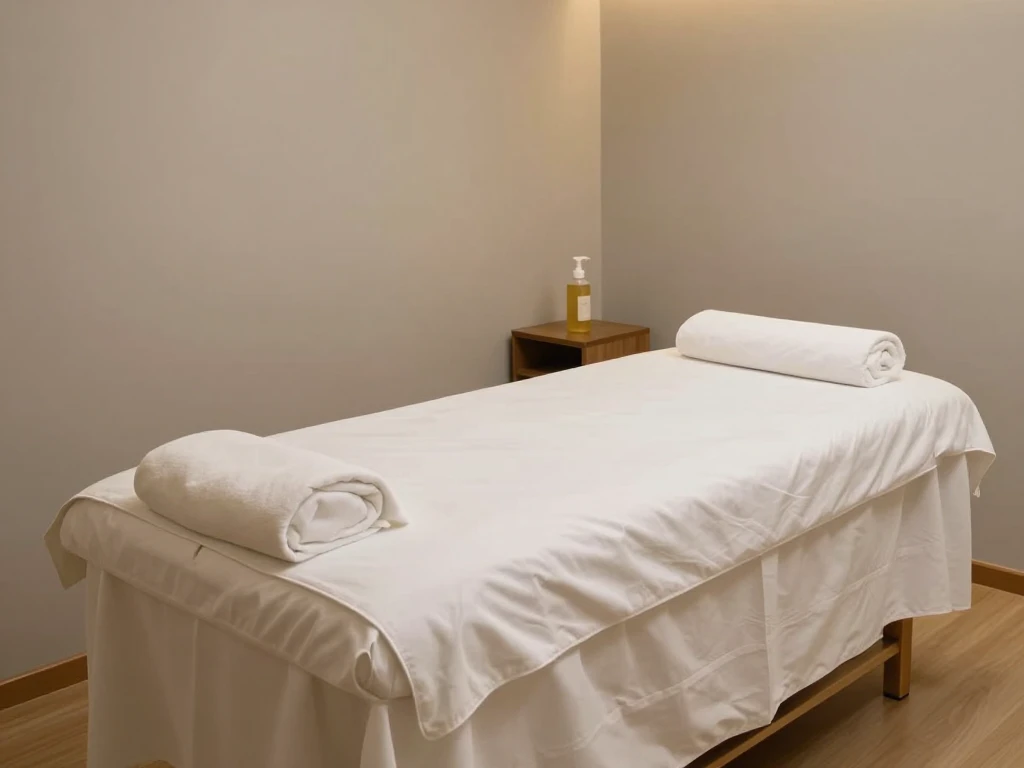
What does a relaxation massage actually feel like? Expect low lighting and soft background music, the kind of calm you might associate with a spa, and a session that typically lasts about 50 minutes. Before the massage begins, the therapist should explain the techniques they plan to use and what they should feel like, so you can judge whether they fit your needs. [2]
Whether you visit a spa or a clinic, there is no fixed routine. The therapist may tailor the massage to your needs, preferences and comfort, and it is fine to change your mind about pressure as you go. Some people like to chat during the appointment; others prefer quiet. Both are fine, and the therapist will follow your lead. [2] [4]
Afterwards, it is common to feel deeply relaxed, even drowsy. Relaxation promotes sleep and can help calm the mind; the UK NHS notes that people often feel quite drowsy when relaxed, especially if tired. The calming effect can be more noticeable when massage is a regular practice. [5] [4]
When to Check With a Healthcare Provider First
Massage is not right for everyone in every situation. Cleveland Clinic advises consulting a healthcare provider before massage if you take blood thinners, have blood clots in your legs, have tumors, have osteoporosis or a spine disorder that raises fracture risk, have an implanted or attached medical device, have a high-risk pregnancy, or have an acute injury or had surgery within the previous 48 hours. [2]
Therapeutic massage guidance adds that some pre-existing conditions may not benefit from massage, and certain diagnoses may require a doctor's referral. If you have a medical condition—including a high-risk pregnancy—tell the therapist ahead of time and check with your doctor if you are unsure whether massage is safe for you. [4] [2]
What Training Should a Massage Therapist Have in Canada?
What should you look for in a Canadian massage therapist? For relaxation massage therapy, the baseline is professional training and proper licensing. The clinical sources used here describe massage therapists as licensed professionals specifically trained to work with the body's soft tissue, and that standard should not change when the goal is relaxation. Ask about a therapist's training and credentials before you book. [4] [2]
Because the sources for this article were written in the US and UK, they do not spell out Canada's provincial licensing rules. To confirm what title and credentials are required where you live, check with the massage therapy regulator in your province. That regulator, not a general guide, is the authority on local requirements. A qualified therapist should also be able to explain their training and answer questions about what they do. [4] [2]