Pregnancy Massage: Safety, Timing, and What to Expect
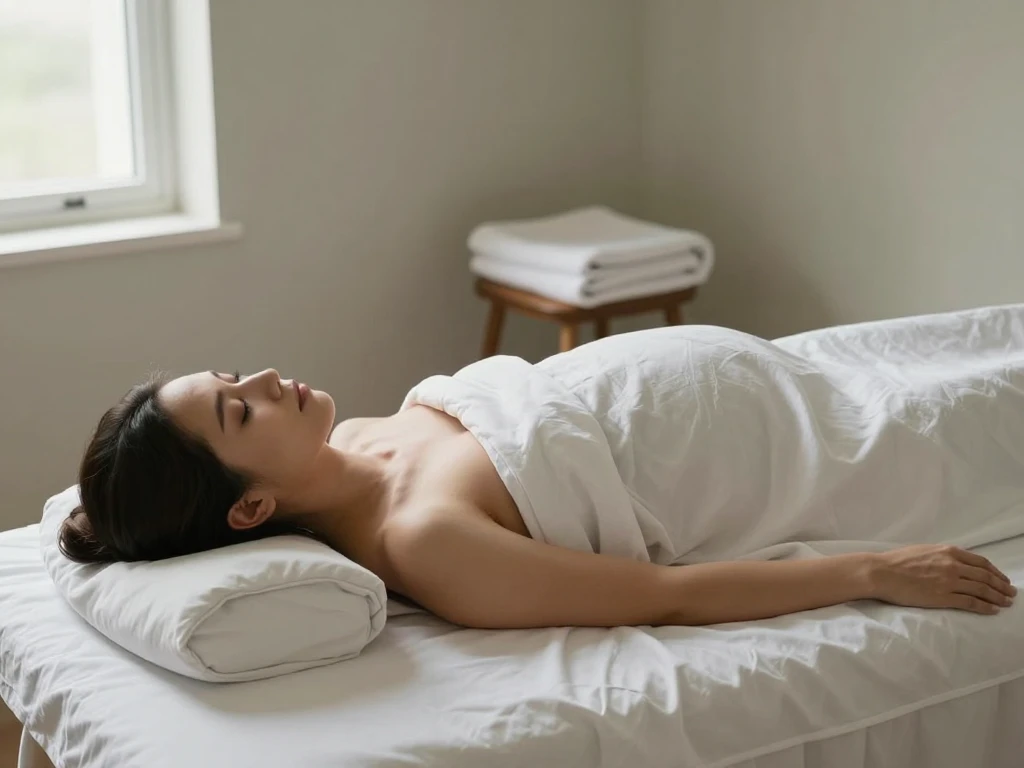
What Is a Pregnancy Massage?
Pregnancy massage is a self-care and complementary medicine practice that aims to relieve the emotional and physical discomforts of pregnancy. It offers the familiar benefits of a regular massage, but through techniques adapted for pregnancy, such as Swedish massage, myofascial release, and craniosacral therapy. [2]
The defining feature is gentleness. "Prenatal massage is all about using very gentle massage techniques that are effective with pain relief and discomfort," explains DeBorah Hill, RN, LMT, a licensed massage therapist. Expect light pressure — no more than firm to medium — rather than the deep tissue massage used to release tough knots and lingering tension. [2]
That gentleness is the main difference from a regular massage. A therapeutic massage can press deeply and may produce an intense "hurts so good" sensation, while a pregnancy massage should not cause any discomfort. The massage therapist works gently rather than digging deep; the goal is to ease muscle tension, support circulation, and promote relaxation. [4] [2]
Massage therapy in general promotes health and well-being through soft tissue manipulation and movement of the body, according to the American Massage Therapy Association. The body changes on many levels through each trimester of pregnancy, and those changes can call for adjustments both before and during a session — which is why prenatal massage is treated as a distinct specialty. [4] [1]
Note that "pregnancy massage" here means whole-body massage therapy, not perineal massage. Perineal massage is a separate self-massage technique that UK maternity guidance recommends only from 35 weeks of pregnancy, to reduce the likelihood of perineal tearing during vaginal birth. It has its own instructions and is not part of a standard prenatal body massage. [3]
When Can You Get a Pregnancy Massage, and Is It Safe Through the Third Trimester?
Most pregnancy providers recommend waiting until the beginning of the second trimester — 12 weeks and beyond — before booking a pregnancy massage. Waiting until you are out of the first trimester of pregnancy is considered the safest route, because the first trimester is when the rate of miscarriage is highest. The caution is about timing: massage is generally limited or avoided during early pregnancy. This is a general guideline; your own provider may advise differently based on your history. [2]
There is no universal schedule for prenatal massage. For maximum benefit, Hill recommends a massage once every two weeks during the second trimester, and up to once a week near the end of the third trimester as discomforts build. That is one clinician's suggestion, not a rule; your pregnancy care provider may advise a different frequency. [2]
Is pregnancy massage safe in the third trimester? Done properly, yes: prenatal massage is considered a safe and effective treatment during pregnancy that relieves pain and discomfort and reduces stress. For most healthy pregnancies, the risks of pregnancy massage from a licensed massage therapist are minimal, especially after the first trimester, provided the massage stays gentle and uses side-lying positioning. [2]
The important qualifier is a healthy pregnancy. Please check with your pregnancy care team before you book; they may recommend against pregnancy massage if you have concerns such as gestational diabetes, high blood pressure, or other conditions. In a high-risk pregnancy, your provider is the person to advise whether massage is safe for you. [2] [4]

What Should You Expect During a Pregnancy Massage?
A session should begin with a thorough intake. The therapist asks about your health history, the stage of your pregnancy, and any specific discomforts, then plans the pregnancy massage around your trimester and needs. Recognizing contraindications and adjusting for the physical changes of each trimester are part of safe prenatal massage practice — keep in mind that the treatment plan changes as your pregnancy progresses and your comfort needs evolve. [1]
In many ways, the experience resembles a therapeutic massage: low lighting, soothing music, and either whole-body work or focused attention on an area such as the low back. The difference is intensity: the massage stays light, no more than firm to medium. The experience can be adapted to what you need that day, whether that is full-body relaxation or attention to one area. [4]
Positioning is one of the most visible changes of pregnancy massage. You usually lie on your side, supported by pillows and firm bolsters that keep the body aligned. Lying flat on your stomach or back raises the risk of low blood pressure and can compress nerves, so even a table with a cut-out for the belly is generally considered less safe than side-lying. [2]
Massage sessions during pregnancy typically last from 15 minutes to an hour. You stay covered by sheets and a blanket throughout. Some people undress completely, some keep their undergarments on, and others prefer pregnancy drapes that move more easily; whatever feels comfortable to you should be OK with your provider. [2]
The massage techniques used during pregnancy are performed slowly and gently: Swedish massage with light stroking and kneading, myofascial release, craniosacral therapy, and sometimes manual lymphatic drainage, a gentle technique often used to help reduce swelling. Together, these gentle massage methods promote circulation and ease muscle tension without intense work. [4]
During the massage, the therapist should avoid deep pressure on your abdomen, lower back, and legs. Some also avoid pressure points around the ankles and certain toes, areas that some believe may induce labor. [4]
Communication is part of the treatment. Before the session, ask which techniques will be used and what they should feel like. During the massage, tell your therapist right away if anything hurts or feels wrong — a prenatal massage should never cause discomfort. [4] [2]
What Are the Benefits and Risks of Pregnancy Massage?
An expansive body of research supports massage therapy during pregnancy, labor, and the postpartum period, according to the American Massage Therapy Association. Reported benefits include alleviating back and leg pain, easing insomnia, reducing labor pain during childbirth, and lessening postoperative pain, along with reduced anxiety and stress and improved mood. [1]
A review of research on pregnancy massage cited by Cleveland Clinic similarly points to lower stress, anxiety, and depression and easier back and leg pain, and it adds possible gains in immune response and higher levels of "happy hormones" such as serotonin and dopamine. Some research also suggests massage during pregnancy may improve delivery outcomes, including higher birth weight and a lower risk of preterm delivery. [2]
Mental health is a common reason to seek massage during pregnancy: about 20% of pregnant women experience clinically significant anxiety or depression. One line of study is examining whether partner-delivered relaxation massage can reduce symptoms of antenatal anxiety, stress, and depression. [1]
Pregnancy massage may also decrease swelling, and the benefits can be long-lasting. Getting a massage may decrease stress hormones and spur production of oxytocin, a hormone known to help improve labor contractions and to influence bonding with your baby — which is one reason researchers link prenatal massage to improved labor outcomes. [4] [2]
What about risks during pregnancy? For most healthy pregnancies, the risks of a prenatal massage from a licensed massage therapist are minimal, especially after the first trimester. The two main safety rules are keeping the massage gentle and staying on your side. Deep work matters because it could dislodge blood clots if you have them, and it can also negatively affect your blood pressure during pregnancy. [2]
Cleveland Clinic advises consulting your pregnancy care team before treatment if you are considered high-risk — for example, due to blood clots, bleeding disorders, high blood pressure, diabetes, preeclampsia, heart disease, pitting edema (severe swelling), abdominal pain, unexplained symptoms, or a previous preterm labor or miscarriage. The same guidance lists general cautions worth discussing: blood thinners, leg blood clots, tumors, osteoporosis or spine disorders, implanted medical devices, and acute injury or surgery within the last 48 hours. [4]
The decision is individual. Your pregnancy care team knows your health history, a trained therapist knows massage safety, and only you know your comfort level. If you are cleared, choose a reputable therapist trained in prenatal massage, confirm they will keep the work gentle and position you on your side, and treat the session as the self-care it is meant to be. During pregnancy, so many things are limited — pregnancy massage is a new option that expecting parents can use to help themselves and their baby feel their best. [2]